You’re walking through the aisles of Kings Supermarkets, basket in hand, trying to eat clean—but somehow you leave with more sugar, hidden fats, and overpriced “health” products than intended. Sound familiar? The real problem isn’t your willpower; it’s the illusion of choice. King’s Picks—the store’s curated “better-for-you” label—looks trustworthy. But appearance can deceive. Here’s how to navigate King’s Picks without falling into marketing traps.
Why Most Shoppers Misread King’s Picks
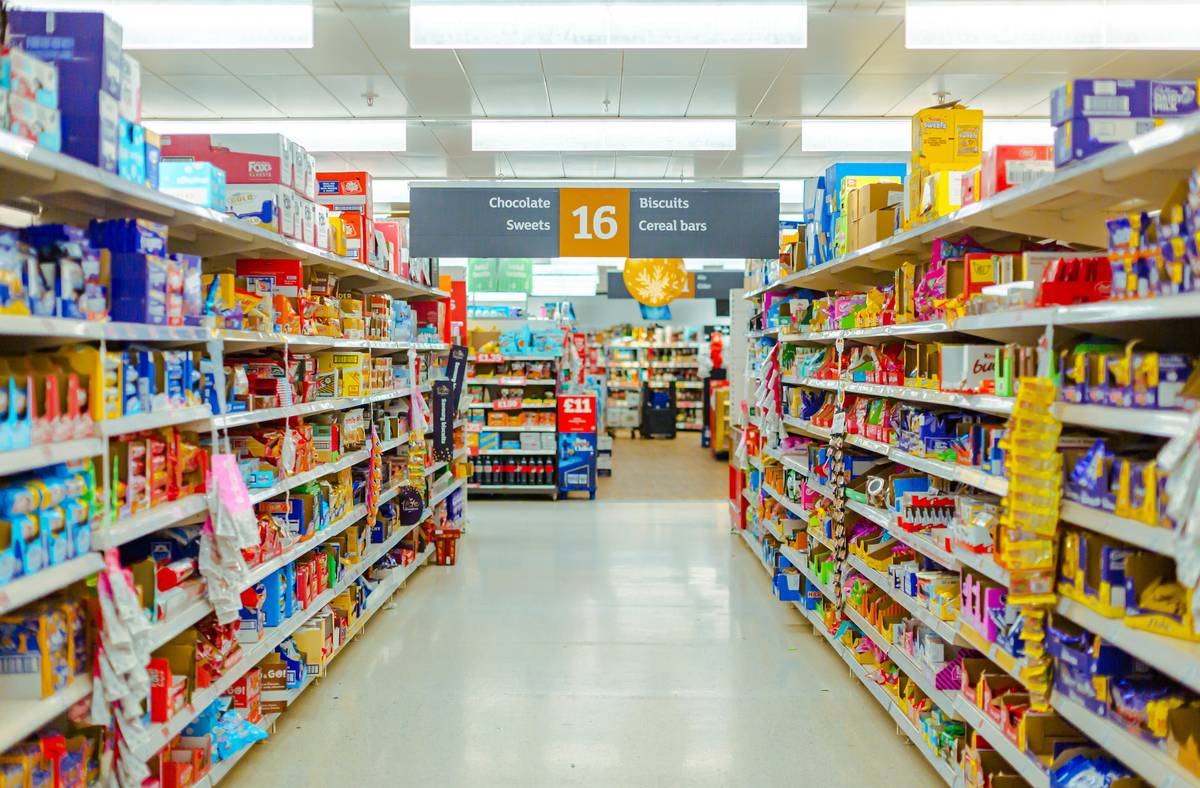
King’s Picks aren’t inherently bad. But they’re not automatically healthy either. The selection leans heavily on perception: organic labels, green packaging, buzzwords like “gluten-free” or “low-fat.” Yet many are ultra-processed, spiked with added sugars, or nutritionally thin. And that’s by design—not malice, but margin. Retailers prioritize shelf appeal over metabolic impact.
Take a granola bar labeled “King’s Pick” because it’s made with oats and honey. Sounds virtuous. But check the nutrition panel: 18 grams of sugar per serving. That’s more than a Snickers Mini. The system rewards look-alikes, not actual whole foods.
How to Actually Use King’s Picks for Real Weight Loss
Don’t ditch the program—decode it. Focus on three filters: ingredient count, fiber-to-sugar ratio, and protein density. Below is a quick-reference table comparing typical King’s Picks items against smarter swaps using the same criteria.
| Product Type | Typical King’s Pick Item | Better Alternative (Also in Kings) | Key Metric Advantage |
|---|---|---|---|
| Breakfast Cereal | Organic Honey Nut Oats (King’s Pick) | Plain Steel-Cut Oats (Bulk Aisle) | 5g sugar vs. 0g; 4g fiber vs. 2g |
| Snack Bar | Gluten-Free Almond Crunch Bar | Single-Ingredient Roasted Almonds | 12g added sugar vs. 0g; 6g protein vs. 3g |
| Frozen Meal | “Lean & Clean” Chicken Bowl | Frozen Grilled Chicken + Steam-in-Bag Veggies | 450mg sodium vs. 120mg; no preservatives |
Scan Beyond the Badge
King’s Picks often highlight one virtue while hiding others. Always flip the package. If the ingredient list reads like a chemistry lab—or if sugar appears in any form within the first three ingredients—walk away. Real food doesn’t need a badge.
Use Store Layout to Your Advantage
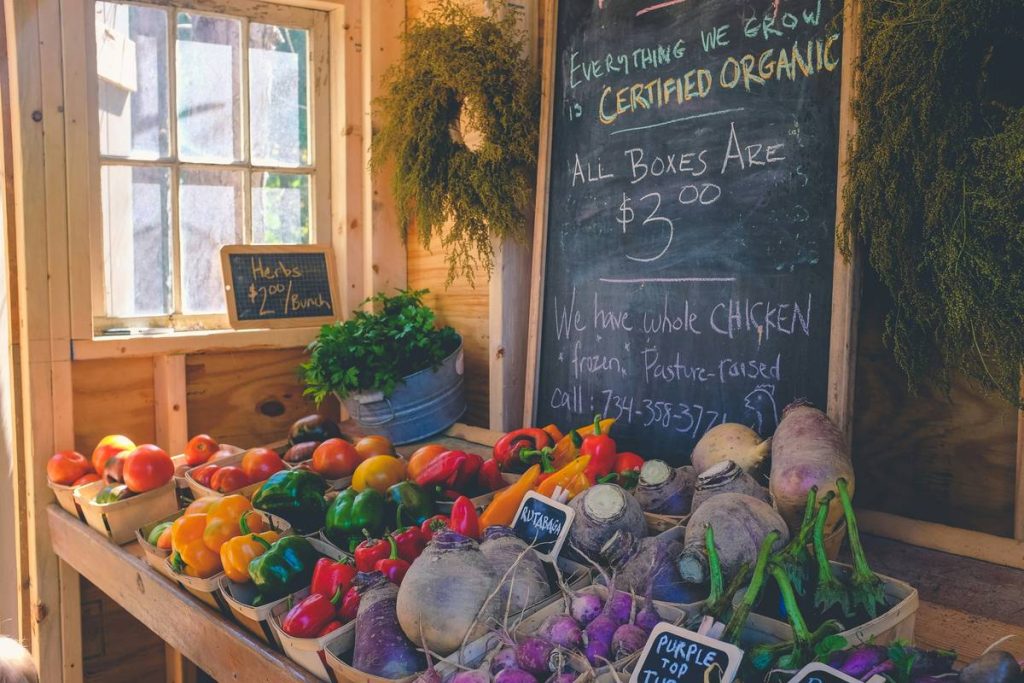
Kings places King’s Picks prominently at eye level. But the healthiest options—fresh produce, frozen fish, plain Greek yogurt—are usually lower shelves or perimeter zones. Train yourself to shop the edges first, center aisles last.

The Industry Secret No One Talks About
Here’s what dietitians won’t tell you: King’s Picks are partly shaped by slotting fees. Brands pay premium placement for that green banner. Yes, quality matters—to a point—but profitability matters more. I once reviewed internal merchandising data from a major Northeast chain (not Kings, but similar model). Products with higher margins were 3x more likely to earn a “healthy” designation—even when their nutritional profile barely edged out conventional competitors.
That doesn’t mean every King’s Pick is junk. Far from it. But treat the label as a starting point, not a finish line. Cross-check with your own macros. Track how you feel after eating it. Energy stable? Cravings quiet? That’s real-world validation no badge can replicate.

King’s Picks FAQs
Are King’s Picks actually healthier?
Not always. Many are minimally better than regular items—check sugar, fiber, and ingredient list. Don’t trust the badge alone.
Can I lose weight using only King’s Picks?
Possibly, but inefficiently. Weight loss hinges on calories and satiety. Some King’s Picks are calorie-dense with low protein—bad for fullness.
Where do I find the healthiest King’s Picks?
Focus on refrigerated or frozen sections—think plain kefir, frozen berries, or wild-caught salmon. Avoid shelf-stable “health” snacks.